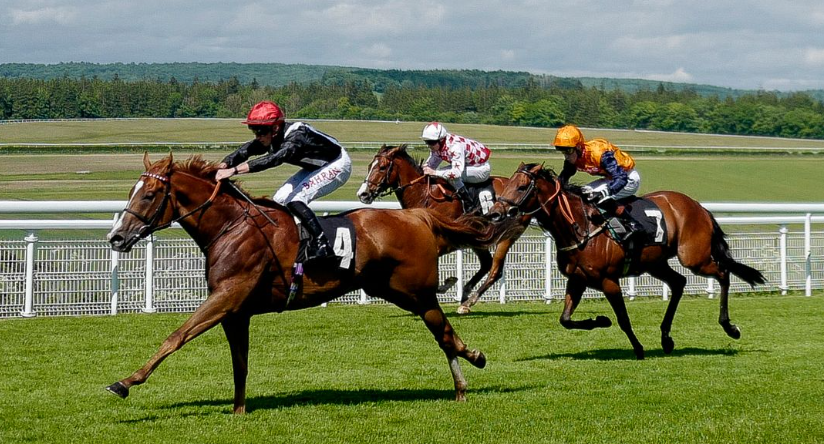

The race day atmosphere plays a crucial role in shaping athletes’ performance. Crowd energy can either heighten anxiety or transform it into determination. Athletes often draw motivation from spectators, enhancing their drive. Additionally, team dynamics and individual rituals contribute to psychological resilience. Understanding these elements reveals the complex interplay of emotions and behaviors that influence outcomes. What remains to be explored is how these factors uniquely manifest in different sports and individual experiences.
The Impact of Crowd Energy on Performance
As athletes prepare for competition, the atmosphere created by a crowd can significantly influence their performance.
Crowd motivation serves as a powerful catalyst for performance enhancement, igniting an inner drive that can elevate athletes beyond their perceived limits. The energy radiating from spectators fosters a sense of connection, empowering competitors to harness that enthusiasm, potentially transforming anxiety into a focused determination to succeed.
See also: The Rise of Horse Racing Podcasts
Social Identity and Team Dynamics
While the thrill of competition often hinges on individual performance, the role of social identity within team dynamics plays a crucial part in shaping athletes’ experiences and outcomes.
A strong sense of team belonging fosters collective motivation, enhancing collaboration and communication. This unity not only elevates performance but also nurtures emotional resilience, allowing athletes to thrive under pressure and embrace their shared identity.
Rituals and Superstitions in Competitive Environments
In competitive environments, the influence of rituals and superstitions can significantly impact athletes’ mental states and performance.
Pre-race rituals, such as specific warm-ups or equipment placements, often provide a sense of control and focus. Similarly, athlete superstitions, like wearing lucky socks or following a particular routine, can foster confidence.
These behaviors, though not scientifically grounded, highlight the psychological need for stability amidst the unpredictability of competition.
Conclusion
In conclusion, the race day atmosphere is a complex tapestry of psychological influences that can significantly enhance athletic performance. Research indicates that athletes perform up to 20% better in the presence of supportive crowds, highlighting the profound effect of collective energy. This underscores the necessity of fostering positive social identities and embracing pre-race rituals. By recognizing and harnessing these psychological factors, athletes can navigate the pressures of competition, transforming anxiety into focused determination and achieving their best outcomes.
